2560 Coney Island Ave, Brooklyn, NY, 11223
2560 Coney Island Ave, Brooklyn, NY, 11223

Pet Nutrition FAQs
- posted: Aug. 19, 2025
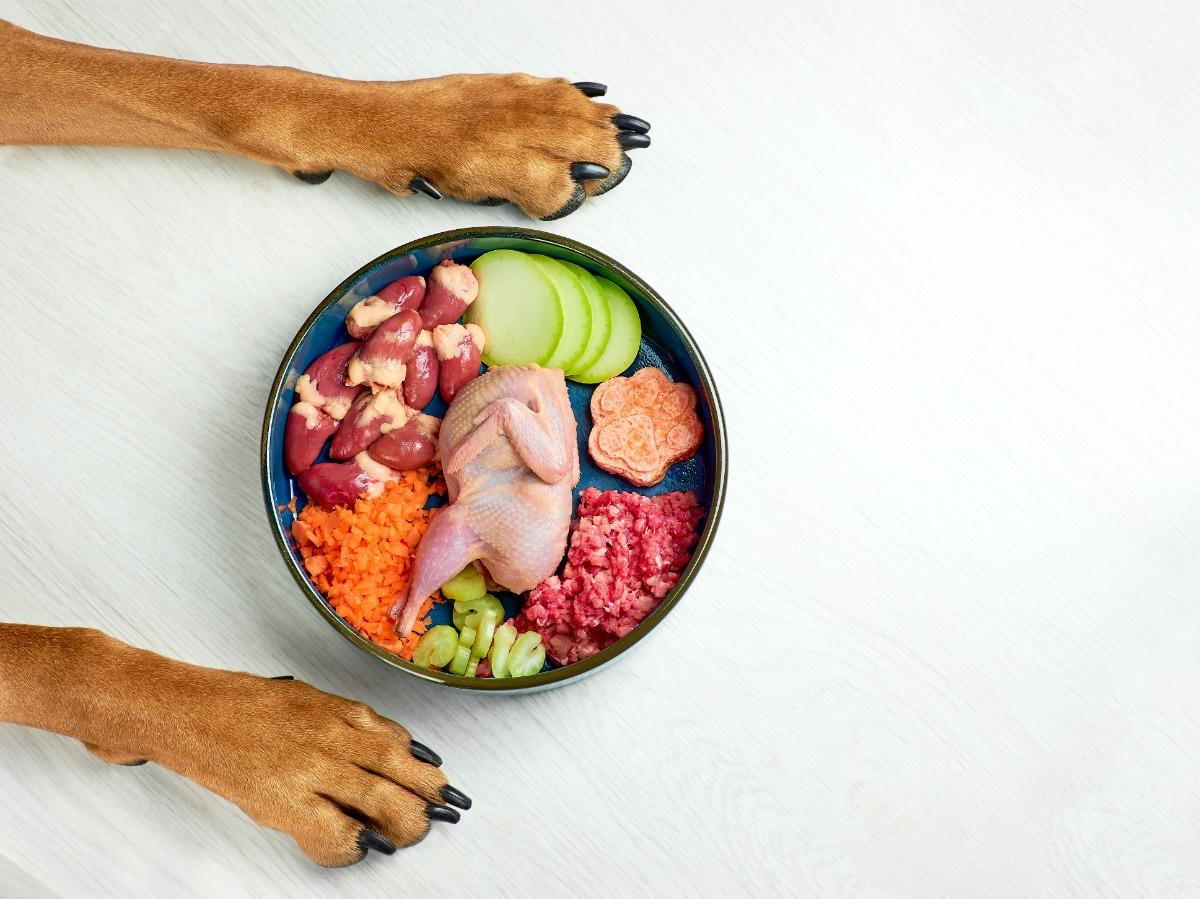
Proper nutrition is one of the most important foundations for a healthy, happy pet. At Ark Life Veterinary in Brooklyn, NY, we know that every animal is unique, and their dietary needs can vary based on age, breed, lifestyle, and health conditions. Below, we have compiled answers to some of the most common questions about feeding and nourishing your pet.
1. How Do I Know What Type of Food Is Best for My Pet?
Selecting the right food depends on factors such as age, activity level, size, and any medical conditions. Puppies and kittens, for example, need diets rich in protein and nutrients that support growth, while older pets may benefit from formulas that promote joint health and maintain a healthy weight. Our veterinary clinic team can help determine the best type of commercial food, or combination of foods, to meet your pet’s unique needs.
2. Should I Feed Dry Food, Wet Food, Or A Combination?
Each option has benefits. Dry kibble helps maintain dental health by reducing plaque buildup and is convenient for portion control. Wet food offers higher moisture content, which can aid hydration and may be easier for older pets to chew. Many owners find a combination approach works well, providing the benefits of both.
3. Can Pets Eat Human Food?
Some human foods are safe in small amounts, but many are toxic to dogs and cats, including chocolate, onions, garlic, grapes, and xylitol. Feeding your pet table scraps can also lead to obesity and digestive upset. It is best to consult your veterinarian before introducing any human foods into your pet’s diet.
4. How Often Should I Feed My Pet?
Frequency depends on age, size, and health. Puppies and kittens often require multiple small meals per day, while adult pets may do well on one or two meals. Senior pets may need more frequent, smaller portions to maintain energy and digestion.
5. Are Supplements Necessary?
Most high-quality commercial diets provide complete nutrition, but certain conditions may benefit from supplements such as omega-3 fatty acids, probiotics, or joint support. Supplements should always be used under veterinary guidance to avoid imbalances or complications.
6. How Can I Tell If My Pet’s Diet Is Working?
Healthy pets maintain an ideal body weight, have shiny coats, bright eyes, regular bowel movements, and consistent energy levels. Any sudden changes in appetite, weight, or behavior should be discussed with our veterinarian.
Call Our Vet near You for Personalized Advice
At Ark Life Veterinary in Brooklyn, NY, we are here to ensure your pet’s diet supports its health, vitality, and longevity. Contact our animal hospital at (718) 514-9999 to schedule a nutrition consultation and learn how to provide your pet with the balanced, nourishing diet it deserves.
- posted: Aug. 19, 2025
Proper nutrition is one of the most important foundations for a healthy, happy pet. At Ark Life Veterinary in Brooklyn, NY, we know that every animal is unique, and their dietary needs can vary based on age, breed, lifestyle, and health conditions. Below, we have compiled answers to some of the most common questions about feeding and nourishing your pet.
1. How Do I Know What Type of Food Is Best for My Pet?
Selecting the right food depends on factors such as age, activity level, size, and any medical conditions. Puppies and kittens, for example, need diets rich in protein and nutrients that support growth, while older pets may benefit from formulas that promote joint health and maintain a healthy weight. Our veterinary clinic team can help determine the best type of commercial food, or combination of foods, to meet your pet’s unique needs.
2. Should I Feed Dry Food, Wet Food, Or A Combination?
Each option has benefits. Dry kibble helps maintain dental health by reducing plaque buildup and is convenient for portion control. Wet food offers higher moisture content, which can aid hydration and may be easier for older pets to chew. Many owners find a combination approach works well, providing the benefits of both.
3. Can Pets Eat Human Food?
Some human foods are safe in small amounts, but many are toxic to dogs and cats, including chocolate, onions, garlic, grapes, and xylitol. Feeding your pet table scraps can also lead to obesity and digestive upset. It is best to consult your veterinarian before introducing any human foods into your pet’s diet.
4. How Often Should I Feed My Pet?
Frequency depends on age, size, and health. Puppies and kittens often require multiple small meals per day, while adult pets may do well on one or two meals. Senior pets may need more frequent, smaller portions to maintain energy and digestion.
5. Are Supplements Necessary?
Most high-quality commercial diets provide complete nutrition, but certain conditions may benefit from supplements such as omega-3 fatty acids, probiotics, or joint support. Supplements should always be used under veterinary guidance to avoid imbalances or complications.
6. How Can I Tell If My Pet’s Diet Is Working?
Healthy pets maintain an ideal body weight, have shiny coats, bright eyes, regular bowel movements, and consistent energy levels. Any sudden changes in appetite, weight, or behavior should be discussed with our veterinarian.
Call Our Vet near You for Personalized Advice
At Ark Life Veterinary in Brooklyn, NY, we are here to ensure your pet’s diet supports its health, vitality, and longevity. Contact our animal hospital at (718) 514-9999 to schedule a nutrition consultation and learn how to provide your pet with the balanced, nourishing diet it deserves.
Gravesend, Brooklyn, NY
Visit Our Office
Ark Life Veterinary
2560 Coney Island Ave
Brooklyn, NY 11223
2560 Coney Island Ave Brooklyn NY 11223
(718) 339-0557